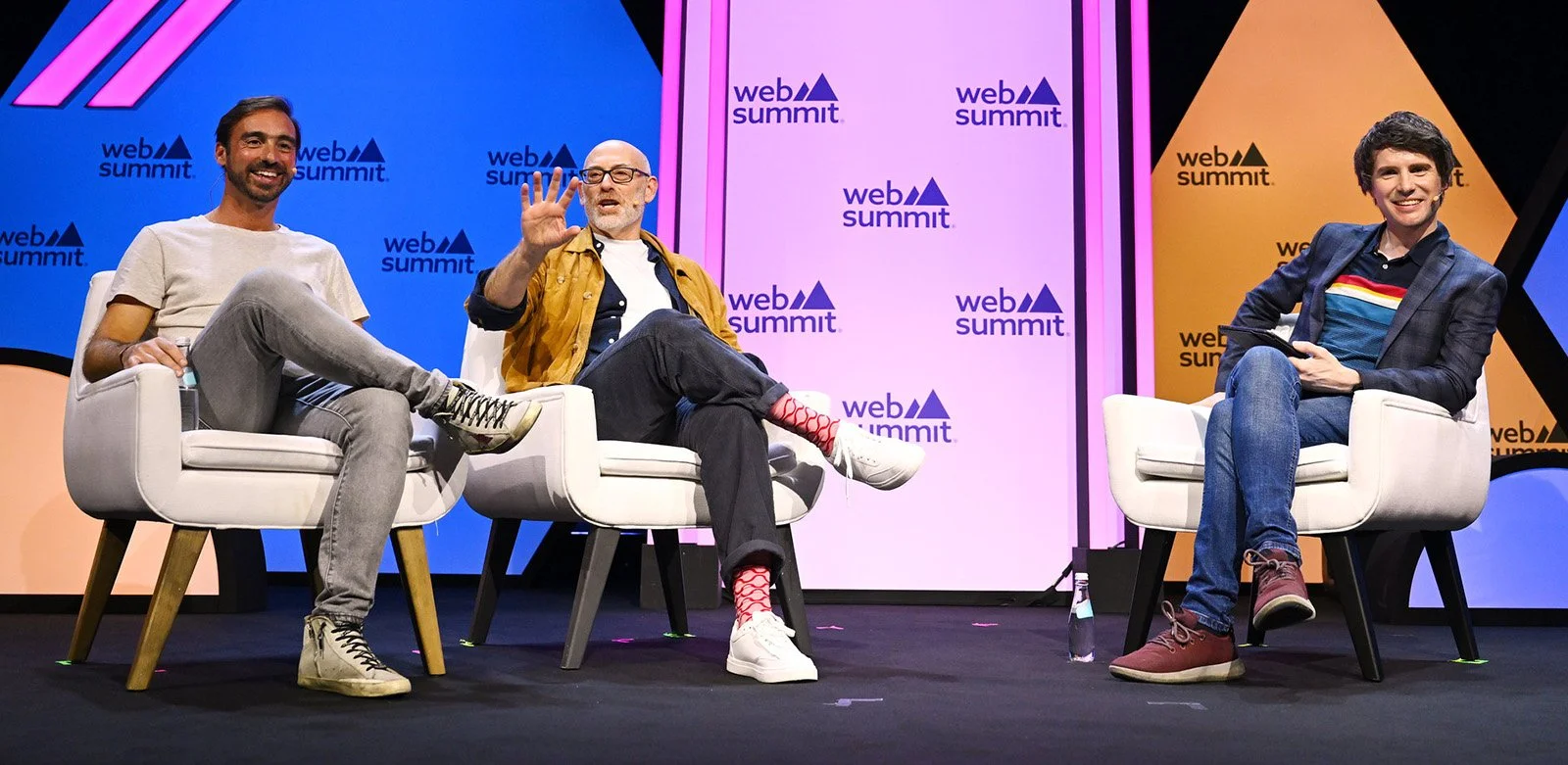
Whether they take place at a conference, a networking dinner, or a marketing seminar, panel discussions are a core part of so many different events.
At their best, panels can be engaging, useful, and inspiring. At their worst, they can be dull processions of self-serving spiel that bore the audience.
What makes the difference between those two types of panel is of course the panelists the organiser chooses. The best panels consist of a diverse group of engaging speakers with contrasting experiences.
But it doesn’t stop there. Choosing the right moderator is essential, and really makes the difference between a passable panel and a valuable, memorable one.
I’ve moderated countless panels over the past 16 years, and I know exactly what it takes to make your panel land in the ‘valuable, memorable’ category.
Preparing for a panel
To give you an idea, here’s how I typically prepare for a panel:
I’ll take your brief for what you want to cover and, considering the audience, make sure that the questions are asked in the right order and the right way. This will ensure the panel follows a logical narrative arc and that the panelists are ‘warmed up’ before answering the trickiest questions
I’ll think about what might be missing from the proposed topics that the audience might expect to hear discussed, and run through that with you as the organiser so we can make sure we’re happy with the final outline.
Wherever possible, I’ll hold a call in advance with each speaker or a group call with them all. While schedules can sometimes make this difficult, it’s incredibly valuable to have an existing relationship with each speaker. Knowing how they speak and what topics they’re most engaged with can really help make sure the panel itself is as engaging as possible.
I’ll prepare a detailed outline of the panel for the organiser and all participants.
Before we go onstage, I’ll talk with the panels again to gauge their mood and make sure they’re comfortable and ready. I’ll also make sure I know exactly how to pronounce each speaker’s name (a small but critically important detail!).
A moderator’s job onstage
Once we’re onstage, that’s where the experienced moderator’s value really comes into play.
My ‘broadcast brain’ kicks in. I’m in the zone. I’m engaging the audience with a tone appropriate for the event and making sure everyone in the room is relaxed and focused on the discussion.
I stay agile. While we have already agreed on a running order for the questions, maybe someone will bring up a fascinating point we hadn’t planned on discussing. Do I drill down on that a bit more with the other panelists? Maybe a polite disagreement will emerge between two panelists. Disagreements are often panel gold. Will exploring this one be valuable to the audience?
I speak to each panelist in a way that makes them comfortable and gives them an opportunity to show what they have to say in the best way for the audience.
I mix it up. Working my way along the panel from left to right with every question is dull and predictable. I mix up the order and go to panelists I think will give the most engaging and insightful answers on a specific topic first, allowing others on the panel to respond.
When things break away from the planned running order, I have my eye on the clock. When do we go back to the plan? Which questions might we have to drop to stop us running over time?
I always finish dead on time. None of this ‘overrunning by five minutes’ nonsense when the wider event has a schedule to stick to
Most importantly, I’m a vessel for the audience. What do they want? How might that change during the course of the event? And how can I make sure they get the maximum value from the event?
Oh and also, I LOVE moderating panels, which definitely helps.
Want to book me to moderate your next panel? Drop me a line and let’s talk.